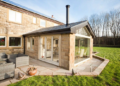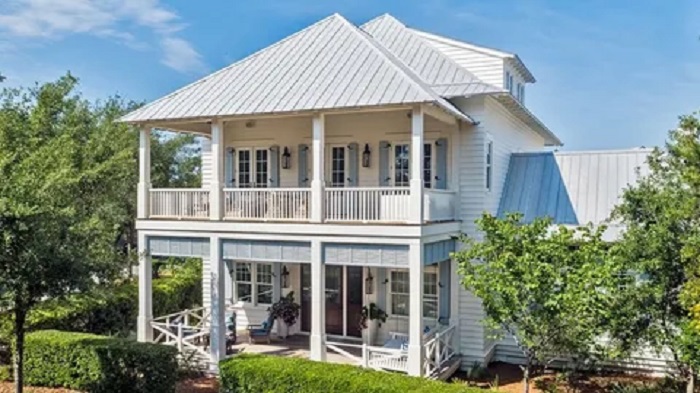
Building homes in Florida presents a number of unique challenges due to the region’s climate, regulations, and landscape. When implementing projects, it’s important to consider factors such as humidity, hurricanes, and energy efficiency requirements to create a reliable and comfortable home. Companies like Gilk Design Build specialize in developing custom solutions that meet all regional standards and meet the needs of homeowners.
Choosing a contractor and proper planning are key aspects of building homes in Florida. Taking into account the nuances associated with local nature and regulations helps avoid potential problems during construction and operation, ensuring the durability and safety of the home.
Choosing the Right Building Materials for Southern Climates
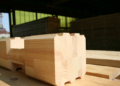
As for specific materials, popular choices include clickers, bricks, and treated wood, which are highly resistant to weathering. Concrete blocks are often used for wall construction due to their excellent heat retention and resistance to rot. It is also important to consider the use of moisture-resistant and antimicrobial coatings, which can increase the durability of the structure.
Key Criteria for Selecting Building Materials
- Thermal Insulation Performance
- Corrosion and Moisture Resistance
- Low Heat Transfer and Reflectivity
- Durability and UV Resistance
- Environmental Safety
Adapting Architectural Solutions to Humidity Levels and Temperature Fluctuations
Given the Florida climate, with its high humidity and significant temperature fluctuations, architectural solutions for real estate must be carefully adapted to ensure comfortable indoor conditions and the durability of the structure. The correct selection of materials, structural elements, and ventilation systems helps reduce the negative impact of extreme climatic factors.
The implementation of modern technologies and design solutions helps improve energy efficiency and make homes more resilient to climate change, which is especially important in the region’s unstable weather conditions. The following sections present key methods and practices aimed at adapting architectural solutions to humidity and temperature.
Key Methods and Approaches for Adapting Buildings
- Use of Moisture- and Heat-Resistant Materials: Select building materials that are resistant to humidity and temperature fluctuations, such as cementitious coatings, extruded polystyrene foam, and specialized waterproofing.
- Efficient Ventilation and Air Conditioning Systems: Install automated ventilation systems to regulate humidity levels and provide fresh air indoors.
- Optimize Roof and Facade Design: Design façade systems protected from precipitation and sunlight, use canopies and insulated window frames.
- Waterproofing Foundations and Walls: Prevent moisture penetration and protect building elements from damage due to moisture saturation.
Efficient Adaptation of Architectural Solutions to Humidity and Temperature fluctuations are key to the durability and comfort of modern Florida homes. Using the right materials, innovative technologies, and thoughtful ventilation allows us to create sustainable and energy-efficient homes that successfully withstand the region’s climate. A comprehensive approach to design and construction not only ensures occupant comfort but also reduces operating costs and maintains the environmental sustainability of buildings in a changing climate.