Spinning is more than a thrill; it stimulates the vestibular system that controls balance and spatial awareness. A well-designed kids carousel offers controlled rotation, letting children experiment with speed, teamwork, and body positioning. Unlike a typical swing, a rotating carousel engages multiple riders at once, encouraging cooperation as they push, slow, or stop the platform. When placed in a backyard or community space, this single piece of equipment can anchor an entire play circuit and keep kids returning day after day.
Types of rotating carousel designs
Platform merry-go-rounds: Classic flat disks near ground level where riders sit or stand. Low profiles reduce fall height.
Spinner bowls: Concave seats that hold one child, spinning with body weight shifts. Great for smaller spaces.
Inclusive carousels: Designs with transfer points, seat belts, and room for wheelchairs, allowing everyone to participate.
Rope or pole spinners: Central poles with handholds or ropes that rotate, combining hanging and spinning sensations.
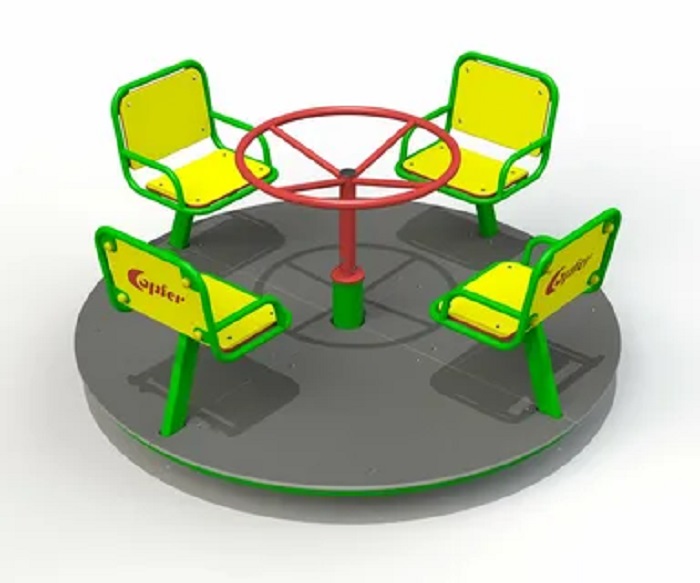
Seated carousels: Individual seats arranged around a center, often with backrests for younger children.
Choosing size and capacity
Before purchasing, measure available space. Leave a clear safety zone at least 6 feet around the kids carousel free of benches, fences, or planters. Consider rider capacity: small home units fit 2–4 children, while larger rotating carousels handle 8 or more. Capacity influences the load on bearings and the required surfacing depth. If siblings span multiple ages, select a model with handrails at two heights so toddlers and older children both feel secure.
Materials and durability
Look for galvanized or stainless steel frames to resist rust, especially if the carousel sits on grass where moisture lingers. Platforms made from perforated steel or textured composite offer grip without trapping water. High-quality sealed bearings keep the ride smooth and quiet; sealed units also block sand intrusion from nearby sandboxes. Powder-coated finishes in light colors stay cooler under sun. For rope or pole spinners, choose UV-resistant ropes and rubberized handles that remain comfortable in hot or cold weather.
Safety features to prioritize
Safety starts with controlled speed. Many newer kids carousel models include built-in friction or magnetic brakes that limit maximum rotation. Low entry heights (under 12 inches) reduce injury risk from falls. Rounded edges, recessed bolts, and capped hardware protect hands and knees. For inclusive rotating carousels, check that the transfer height aligns with common wheelchair seat heights and that there is space for a caregiver to stand next to the rider. Clear, durable decals reminding riders to hold on and keep knees bent help younger children follow rules.
Surfacing requirements for spinning equipment
Impact-absorbing surfacing is non-negotiable. Poured-in-place rubber offers a smooth, stable platform that accommodates accessible carousels. Engineered wood fiber also works if maintained at the proper depth, typically 9–12 inches, and if borders keep material contained. Avoid loose gravel that can jam bearings. Extend surfacing beyond the recommended use zone—usually a minimum of 6 feet from the edge of the rotating carousel—so that running starts and occasional stumbles are cushioned.
Installation steps
1) Mark the center point and the full use zone with spray paint or stakes.
2) Excavate to the depth required for your chosen surfacing, ensuring level ground.
3) For anchored models, set the center post or mounting plate in concrete following manufacturer specifications. Allow full cure time.
4) Assemble the platform, handrails, and brake mechanisms according to the manual. Use torque settings if provided.
5) Spin-test the carousel without riders to check clearance, brake function, and smooth rotation.
6) Lay surfacing, then verify that entry height remains low and edges are flush to prevent trips.
Maintenance for longevity
Monthly inspections keep a kids carousel safe. Check bearings for grinding sounds, tighten bolts, and inspect handrails for looseness. Clean the platform with mild soap to remove mud and sticky snacks that can reduce grip. Lubricate only where the manufacturer recommends; over-greasing can attract grit. Replace worn grip tape or textured inserts promptly. In sandy climates, hose off the base to keep particles away from moving parts. If the carousel uses magnetic or friction brakes, monitor their wear pads and replace them on schedule.
Rules that encourage cooperative play
Set simple guidelines and review them often: hands on the rails, feet planted, no pushing while someone is climbing on, and slowing down before stepping off. Encourage kids to take turns sitting and pushing so everyone experiences both roles. Posting a small rules sign near the rotating carousel reinforces expectations during playdates. For mixed ages, designate a “slow spin” session for toddlers to enjoy without being overwhelmed.
Integrating a carousel into a backyard layout
Place the carousel where adults can supervise easily, perhaps near a patio. Pair it with complementary equipment: a balance beam leading to the platform, stepping stones arranged in a spiral, or a chalk maze that ends at the merry-go-round. Surround the area with low plants that release pleasant scents when brushed, such as thyme or chamomile, to heighten sensory play. At night, solar path lights around the safety zone define boundaries while keeping the area usable in the evening.
Inclusive design considerations
If you want every child to enjoy spinning play, choose a kids carousel with space for mobility devices and low-slope entries. Provide a firm, wide path from the house to the equipment. Add a transfer platform that matches the height of common mobility aids. For sensory-sensitive children, select models with seats that cradle the body and allow gentle spinning at slower speeds. Offering noise-canceling headphones or a countdown routine before spinning can further support comfort.
Games and learning activities on a carousel
Carousels are perfect for layered play. Try counting spins aloud to practice numbers, or time one rotation and challenge kids to match it again using teamwork. Use colored tape to divide the platform into zones and call out colors for kids to switch positions safely while it slows. For science-minded children, experiment with how body position affects speed—arms in, spin faster; arms out, spin slower. These simple games turn a rotating carousel into a hands-on physics lesson.
Seasonal care
In winter, brush off snow and ice so riders do not slip. If freezing rain is common, cover the platform overnight. In hot summers, check surface temperatures before play and add a shade sail if needed. After heavy storms, clear debris from under the platform to prevent trapped moisture. Seasonal checks keep the kids carousel ready whenever a burst of spinning energy strikes.
When to upgrade
Upgrade if the platform shows deep rust, if bearings wobble, or if your children have outgrown the current capacity. Newer models may offer better braking systems or inclusive features that a growing family will appreciate. Sometimes a simple accessory such as a perimeter handrail or textured deck plate refreshes the carousel without full replacement. Evaluate annually and plan improvements during the off-season so installation does not interrupt peak play months.
Final thoughts
A carefully chosen rotating carousel brings a unique blend of excitement and skill-building to any playground. Prioritize safety surfacing, smooth bearings, and clear rules, and pair the equipment with nearby features that encourage varied movement. With regular maintenance and inclusive design, your kids carousel will spin joy into daily life for many years. For more guidance on selecting durable outdoor play gear, visit resources from Copfer or observe what local parks use successfully in your climate.